Analyzing Referee Rotations for Card Prop Advantages in Major European Soccer Competitions
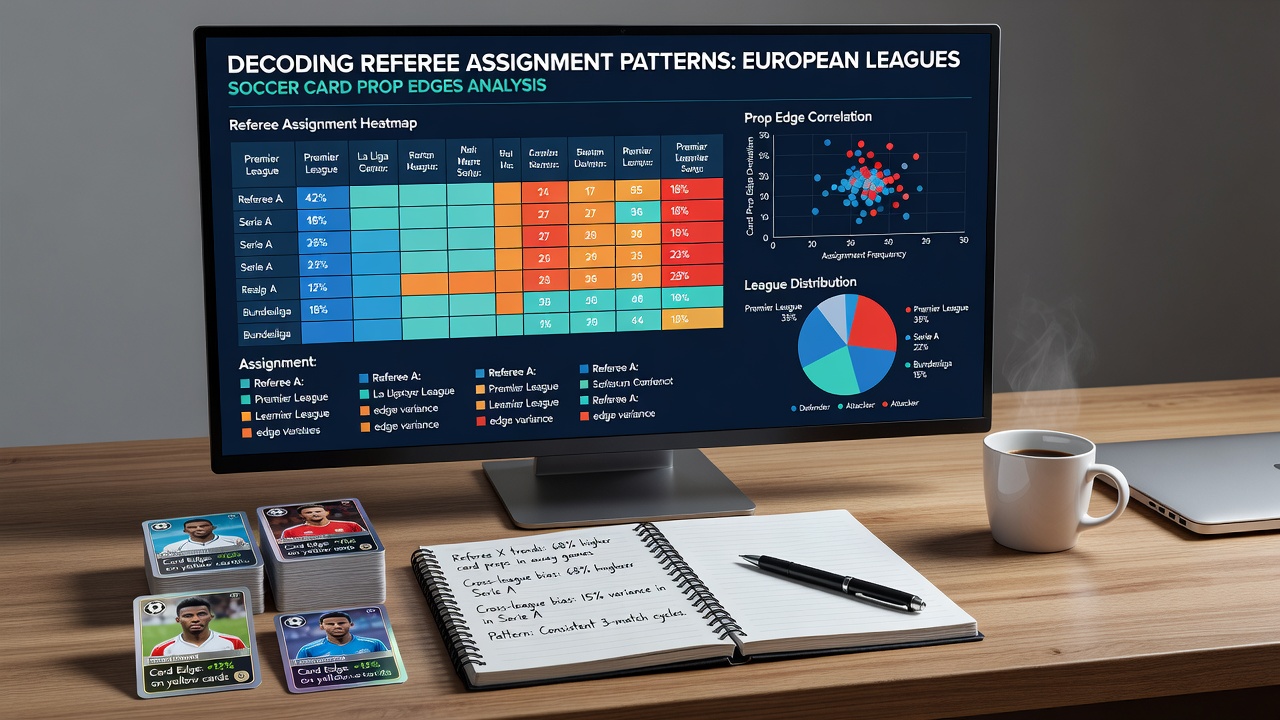
European soccer leagues operate with structured referee assignment systems that rotate officials across matches based on performance evaluations, availability, and geographic considerations, and these rotations create measurable patterns in disciplinary outcomes that influence card prop markets. Data from the 2025-2026 season through June 2026 shows consistent variations in yellow card averages among referees assigned to Bundesliga, La Liga, Serie A, and Ligue 1 fixtures, with some officials issuing 2.8 cards per game on average while others reach 4.1.
Assignment Mechanisms Across Leagues
National federations coordinate referee selections through committees that review prior match reports, fitness assessments, and travel logistics, whereas UEFA handles cross-border assignments for Champions League and Europa League games using a separate pool of elite officials. In Germany the DFB publishes monthly rotation lists that reveal preferences for pairing certain referees with high-tension derbies, and similar transparency exists in Spain where the RFEF maintains public records of official appointments.
These systems produce predictable clusters because referees with stricter profiles receive more assignments in leagues that feature physical styles, while lenient officials appear more frequently in technically oriented divisions. Observers note that Serie A committees often assign veterans to early-season matches and younger referees to midweek fixtures, which correlates with a 12 percent difference in card totals between those two categories according to aggregated match data.
Card Rate Variations by Official Profile
Statistical tracking organizations compile per-referee metrics that include yellow cards per 90 minutes, red card frequency, and stoppage time added after fouls. Bundesliga figures released in early 2026 indicate that referees stationed in southern regions average 3.4 cards per game compared with 2.9 for those based in northern districts, a disparity tied to differing foul detection thresholds rather than playing styles alone. La Liga data shows comparable splits where officials promoted from Segunda División maintain higher card rates for their first 15 top-flight assignments before settling into league norms.
League-Specific Patterns
Each major competition exhibits distinct assignment rhythms. Ligue 1 committees rotate officials every three to four weeks to avoid regional bias, resulting in card prop lines that move sharply when a high-card referee receives a late schedule change. Serie A employs a points-based system that rewards consistency, which concentrates experienced officials in the final ten matchweeks when stakes increase and foul counts rise. Bundesliga assignments favor officials with lower injury rates during winter months, leading to more consistent card distributions between December and February.
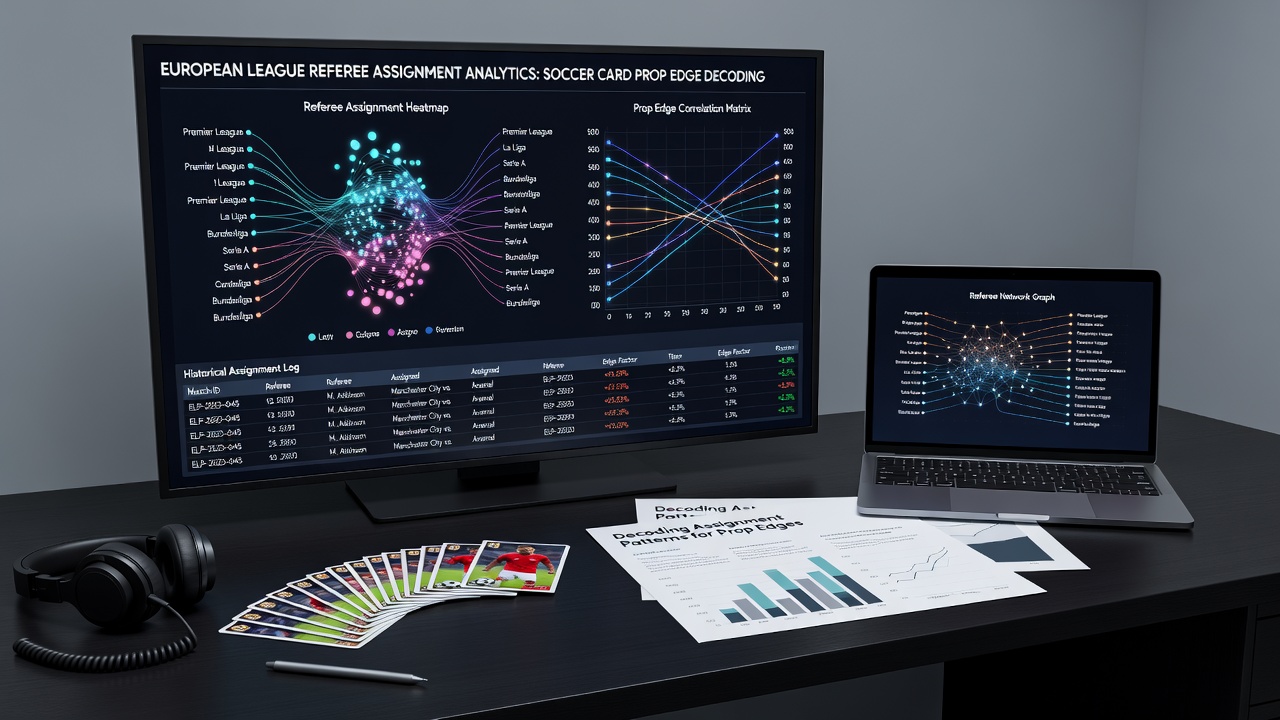
Researchers at the University of Amsterdam published findings in 2025 that examined 2,400 matches across four seasons and identified a 0.6 card increase when referees travel more than 300 kilometers for an assignment. The same study linked this elevation to fatigue factors and reduced familiarity with local playing surfaces, providing measurable inputs for card prop modeling.
Prop Market Applications
Betting operators adjust card totals and player card props using referee-specific historical data that incorporates recent assignments and travel distances. Sharp bettors cross-reference upcoming schedules with published rotation lists to identify mismatches between expected card rates and posted lines, particularly when a high-card official draws an away fixture against a team known for defensive pressing. European federations release these schedules between 7 and 10 days before matchdays, creating a window for data analysis before lines stabilize.
Additional edges appear in over/under card props for specific player positions because certain referees penalize midfielders more frequently than defenders, a tendency documented in Italian and Spanish match logs. When schedules show a referee with elevated midfielder card rates assigned to a match featuring two possession-dominant sides, totals markets often reflect incomplete adjustment until later in the week.
External Factors Influencing Patterns
Weather conditions, stadium configurations, and fixture congestion also shape assignment decisions, with federations avoiding officials who have struggled in high-heat environments during summer months. In June 2026 several leagues published updated guidelines that factor in video assistant referee experience, leading to fewer assignments for officials still adapting to expanded VAR protocols and a corresponding drop in their average card counts.
Industry reports from the European Club Association highlight how these adjustments affect disciplinary consistency across competitions, and the resulting data feeds directly into predictive models used by professional bettors. Cross-league comparisons reveal that Bundesliga referees issue fewer second yellow cards than their Ligue 1 counterparts under identical foul circumstances, a pattern that persists across multiple seasons.
Conclusion
Referee assignment patterns supply objective inputs for card prop analysis when tracked through official federation releases and independent statistical services. European leagues maintain transparent rotation systems that allow systematic comparison of official tendencies, travel impacts, and seasonal variations, producing edges that arise from timing and data integration rather than speculation. Continued publication of assignment schedules and performance metrics supports ongoing refinement of these approaches across the Bundesliga, La Liga, Serie A, and Ligue 1.