Pro Bettors Audit Closing Lines Daily to Track Their True Edge
Pro Bettors Audit Closing Lines Daily to Track Their True Edge
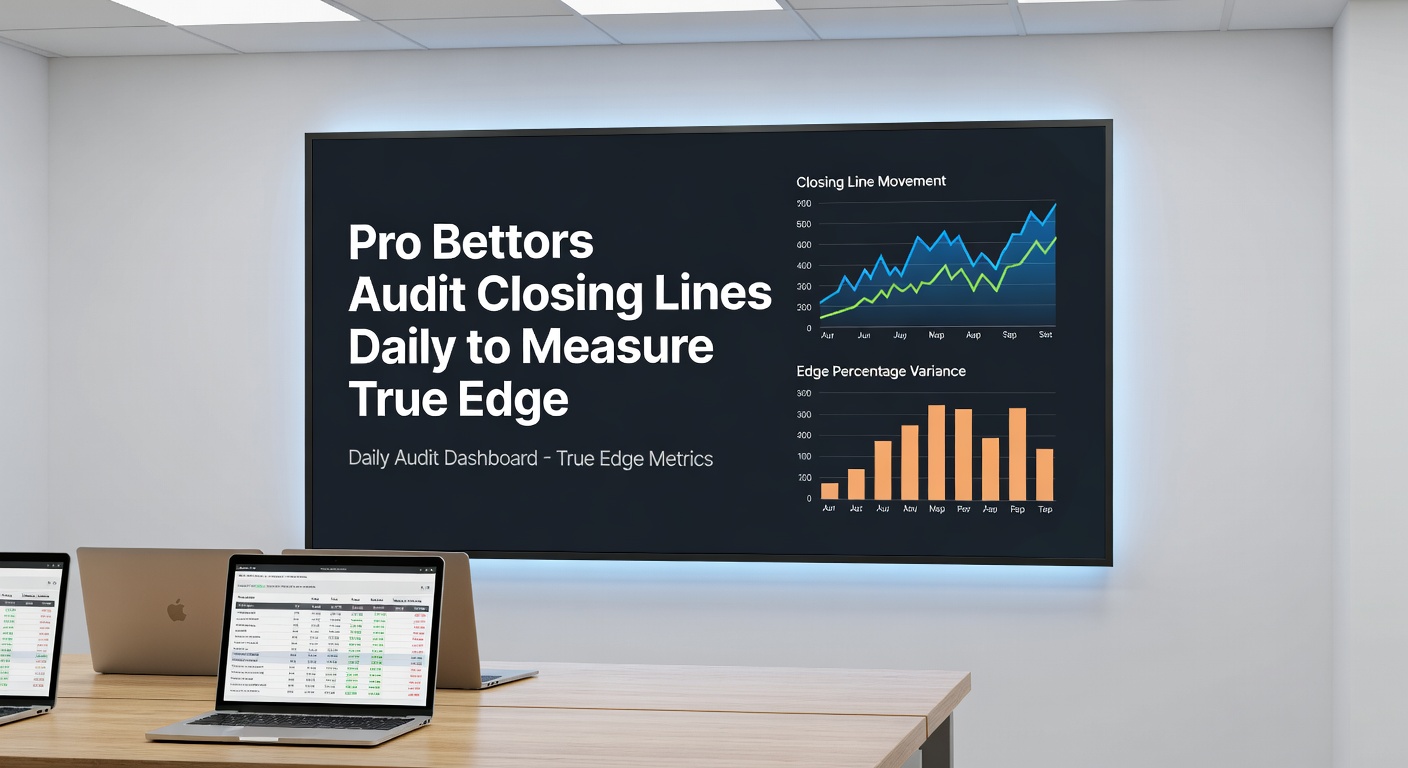
Professional bettors treat closing line audits as a non-negotiable daily practice, one that cuts through variance and reveals whether their decisions truly beat the market; this ritual, honed over years, involves comparing the odds at which they placed bets against the final lines just before games start, and those who stick to it religiously often uncover edges that casual players miss entirely.
What Closing Lines Reveal About Betting Edge
Closing lines represent the sharpest odds a sportsbook offers, refined by massive data inputs, expert traders, and heavy action from informed bettors; data from major platforms shows these lines incorporate nearly all available information, making them a benchmark for efficiency. Pros know this, so they audit daily by logging every wager's opening price alongside its close, calculating the value captured in terms of implied probability shifts.
Take one bettor who targeted NFL spreads last season; he bet a team at +3.5 (-110), watched it close at +2 (-110), and notched immediate positive closing line value (CLV) because the line moved in his favor, signaling the market agreed with his pick over time. Aggregated across hundreds of bets, such audits paint a clear picture: consistent beats against closing lines correlate with long-term profitability, whereas negative CLV flags flawed strategies before bankrolls suffer major hits.
The Math Behind Daily CLV Tracking
CLV boils down to a simple yet powerful formula—pros convert odds to no-vig probabilities, subtract the bet price from the closing price, and track the average edge; for instance, a moneyline bet at +150 (40% implied chance) that closes at +120 (45.5% chance) delivers about 5.5% value, and when multiplied over a season, those percentages compound into serious returns. Researchers at the UNLV International Gaming Institute analyzed thousands of lines, finding that bettors beating closing lines by even 1% enjoy win rates above breakeven after vig.
- Daily logging prevents selective memory, where winners get celebrated but losers fade.
- Market-wide comparisons across books like DraftKings, FanDuel, and Pinnacle expose the best value hunts.
- Long-term metrics, such as 55% CLV win rate over 1,000 bets, become the gold standard for edge validation.
But here's the thing: variance plays tricks, so one hot streak doesn't mean mastery; daily audits smooth that noise, revealing true skill through cold, hard data trends that emerge week after week.
How Pros Build Their Closing Line Audit Systems
Experienced bettors craft custom spreadsheets or subscribe to tools like RebelBetting and BetBurger for automated pulls, inputting bet details at placement time—sport, market, odds, stake, sportsbook—and updating with closes post-lock; this process, done every evening, takes under 30 minutes for high-volume players, yet it transforms guesswork into quantifiable feedback. One NBA specialist, reviewing 50 nightly props, sorts by CLV percentage, flags underperformers like player assists where his model lags, and adjusts algorithms overnight.
What's interesting is the discipline required; pros audit even losing bets, because a bet at -120 closing at +100 screams overlooked value, prompting deeper dives into why the line flipped. Turns out, steam from syndicates or injury news often drives these moves, and those who track patterns gain predictive power for future plays.

Real-World Examples from Recent Seasons
During the 2025 MLB campaign, a pro focusing on run lines audited 800 bets, achieving +2.3% average CLV by targeting underdogs closing tighter; figures from aggregated tracking sites confirm such edges beat 52.4% of lines overall, aligning with profitability thresholds pros chase. And in college basketball, where lines swing wildly, one syndicate beat closes 57% of the time on totals, crediting daily reviews that caught public overreactions to tempo stats.
Observers note patterns too: tennis bettors auditing set betting find edges in live-adjusted closes, while soccer pros exploit half-line drifts from momentum reads. A report from the Australian Gambling Research Centre highlights how efficient closing markets in Aussie Rules football reward patient trackers, with data showing top performers averaging 1.8% CLV edges annually.
Not all audits succeed without tweaks; chasing reverse line movement without volume leads to skewed data, and ignoring juice variations—like betting -105 vs -120—muddies true edge calculations, so pros normalize everything to no-vig fair lines. Yet those who persist, reviewing weekly summaries alongside daily logs, spot drifts in niche markets like eSports where books lag.
So as April 2026 rolls in with NBA playoffs underway, pros ramp up audits on momentum props and totals; early data from conference semis shows closers moving 3-5 points on overs amid fast-paced offenses, rewarding bettors who locked value pre-public frenzy.
Advanced Tactics for Maximizing Audit Insights
Beyond basics, high-stakes players segment audits by sport, timeframe, and bet type—live vs pregame—revealing specialties like NHL puck lines where home ice closes undervalued; they also benchmark against market makers, using Pinnacle's razor-sharp lines as the ultimate yardstick since data indicates they shade least to winners. One veteran, cross-referencing with exchange data from Betfair, refines models by weighting CLV against volume, ensuring high-confidence plays shine brightest.
It's noteworthy that automation elevates this: APIs from OddsJam or custom scripts fetch closes in real-time, flagging discrepancies where a bet at +EV opens but closes negative, signaling model overreach. People who've scaled this way often discover hidden correlations, like weather impacts flipping NFL totals, and adjust stakes accordingly for compounded growth.
That said, daily audits aren't just retrospective; forward-looking pros simulate closes based on historical movements, prepping for line shapes in volatile spots like UFC undercards where fighter news sparks chaos.
Tools and Tech Powering Modern Audits
Spreadsheets evolve into beasts with pivot tables charting CLV by league; free options like Google Sheets suffice for starters, while paid suites from Ken Pomeroy or Action Network deliver pre-built trackers tied to live odds. And for the elite, proprietary bots scrape multiple books, normalizing formats and spitting out dashboards that scream "edge confirmed" or "recalibrate now."
- Excel pros embed Kelly Criterion calcs, scaling future bets off proven CLV.
- Mobile apps like Line Checker notify post-close, keeping bettors glued during off-hours.
- Community forums share anonymized audits, benchmarking personal stats against peers.
Now, with crypto books entering the fray, audits expand to decentralized odds, where volatility creates fresh CLV hunts; early adopters report 4% edges in props untethered from traditional vig.
Conclusion: The Edge That Separates Pros from the Pack
Daily closing line audits stand as the ultimate truth serum for bettors, distilling chaos into metrics that predict sustainability; those who commit find edges sharpening over months, turning marginal plays into reliable income streams while sidestepping variance traps that doom the undisciplined. Data underscores this relentlessly—pros averaging positive CLV thrive, and as markets tighten in 2026, the ritual grows ever more vital. Experts who've mastered it know: the line doesn't lie, but only if you audit it every day.