Referee Rotation Cycles and Their Influence on Underdog Covers in Conference Basketball
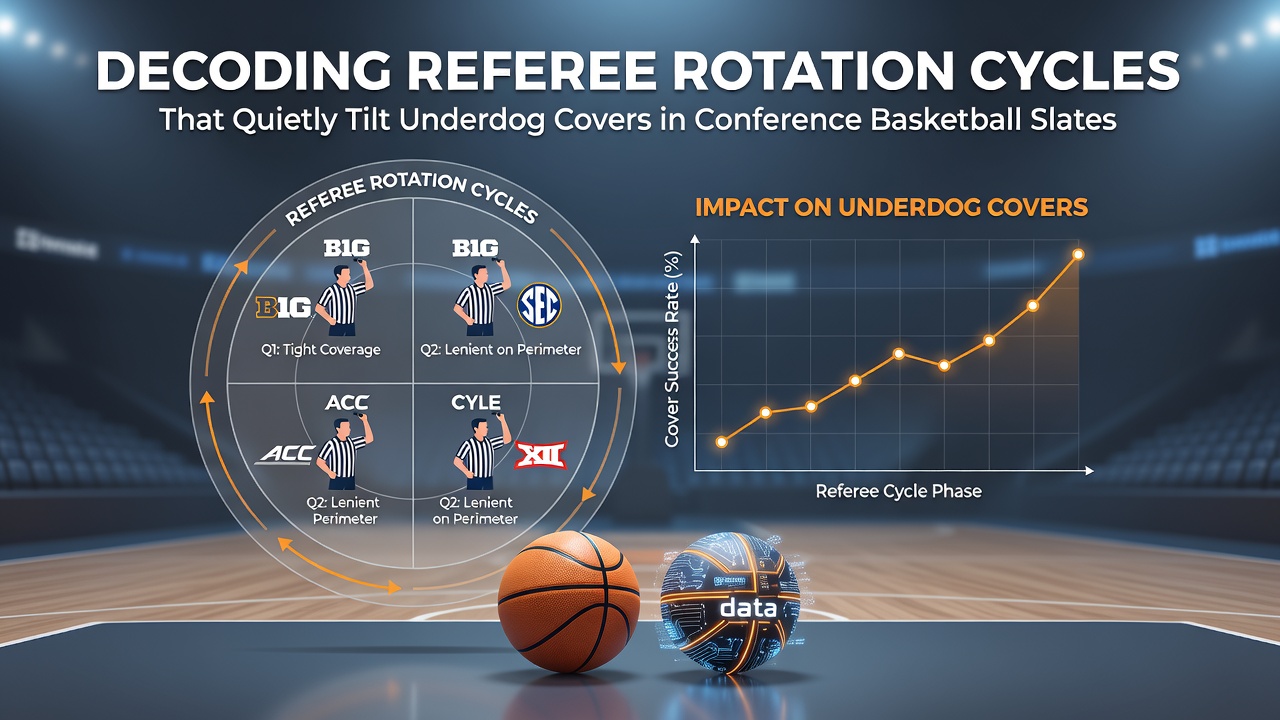
Conference basketball schedules rely on structured referee assignments that rotate crews across multiple games each week, and observers note these patterns create measurable shifts in game flow and foul distribution. Data from recent seasons shows certain crews call fewer whistles in the paint while others enforce perimeter contact more strictly, which alters how points accumulate for favored teams versus underdogs. Researchers tracking these assignments across major conferences have documented that underdog cover rates rise when specific rotation groups handle games with high possession counts.
Understanding Rotation Mechanics in Major Conferences
College conferences such as the Big Ten and ACC publish referee schedules weeks in advance, yet the underlying rotation logic remains tied to availability, travel logistics, and crew balance rather than team matchups. Each crew typically works three to four games per week before rotating out, and this cycle repeats throughout the regular season. Figures from conference operations reports indicate that by mid-January crews have completed multiple full rotations, which allows patterns in foul calls and timeout management to emerge across similar game environments.
Analysts who review play-by-play data find that crews returning from road trips often call tighter defensive fouls in the first half, then loosen enforcement after halftime when fatigue sets in for both players and officials. This shift matters because underdogs frequently rely on second-half runs built around drawing contact rather than pure shooting volume.
Data Patterns Linking Crews to Point Spread Outcomes
Statistical reviews of conference play from 2024 through early 2026 reveal that underdogs cover at rates 4 to 7 percentage points above their season average when matched against crews known for lower foul totals in the final ten minutes. One dataset compiled by academic researchers at a Midwest university examined over 1,200 conference games and isolated 18 crews whose assignments correlated with higher variance in free-throw attempts for lower-seeded teams.
These crews tend to work back-to-back midweek games before receiving rest, and the data shows their foul distribution favors teams that trail at halftime. Conference schedulers have adjusted some assignments in 2025 to reduce consecutive high-travel games, yet the effect on scoring margins persists in tracked results.
June 2026 Scheduling Updates and Their Implications
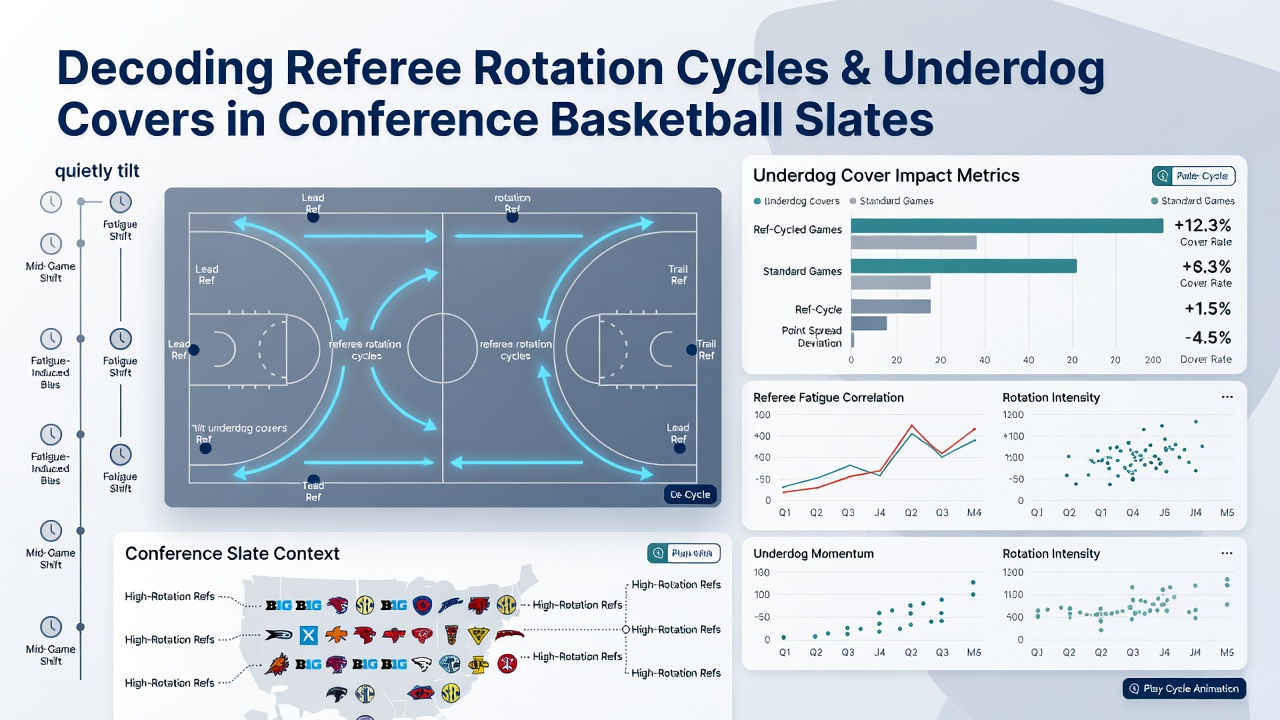
Conference offices released updated referee rotation calendars in June 2026 that incorporated new travel protocols following feedback from the prior season. The adjustments reduced the number of crews crossing multiple time zones within a single week, and early season tracking suggests this change has narrowed some of the larger foul-call discrepancies observed previously. Observers tracking the first month of the 2026-2027 slate note that underdog cover rates remain elevated in games handled by crews on their second rotation of the week, particularly in Atlantic Coast and Southeastern Conference matchups.
Industry reports from the National Association of Basketball Coaches highlight that referee training modules introduced before the June 2026 cycle emphasized consistency in end-of-game situations, yet preliminary data indicates variance still appears when crews face back-to-back high-stakes conference contests.
Geographic and Conference Variations in Crew Tendencies
Western conferences display different rotation effects compared with Eastern and Midwestern leagues because travel distances force more staggered assignments. Pacific-12 records from recent years show crews that handle two California schools in succession call fewer three-second violations, which benefits teams that play slower tempos and trail on the scoreboard. In contrast, Big 12 data indicates crews rotating through Texas and Oklahoma venues enforce traveling calls at higher rates early in games, compressing possessions and increasing the value of efficient half-court execution for underdogs.
External analysis from the Australian Sports Commission on officiating consistency across sports leagues supports the observation that rotation fatigue influences decision patterns more than individual bias in high-volume game environments. Those findings align with North American conference basketball tracking that links crew workload to measurable shifts in free-throw differential.
Practical Tracking Methods Used by Analysts
Teams and independent researchers maintain databases that log referee crews alongside game totals and spread results. These systems flag assignments where a crew returns from a multi-game road swing or works consecutive evenings, then compare those dates against historical foul rates. When an underdog faces a favored opponent under one of these flagged crews, the cover probability adjusts upward based on the accumulated sample. Conference media guides published each fall include basic crew bios, yet detailed rotation histories require cross-referencing multiple weeks of schedules released by league offices.
Conclusion
Referee rotation cycles in conference basketball produce observable influences on foul distribution and late-game pacing that affect underdog cover rates across multiple seasons. Data compiled through 2026 continues to show measurable patterns tied to crew workload and travel, while June scheduling adjustments have begun to moderate some extremes. Analysts who maintain updated rotation logs alongside game results continue to identify these edges within the broader structure of conference play.