Supercharge Parlays: How Correlated NBA Player Props Unlock Explosive Payouts
Understanding Correlated Player Props in NBA Betting
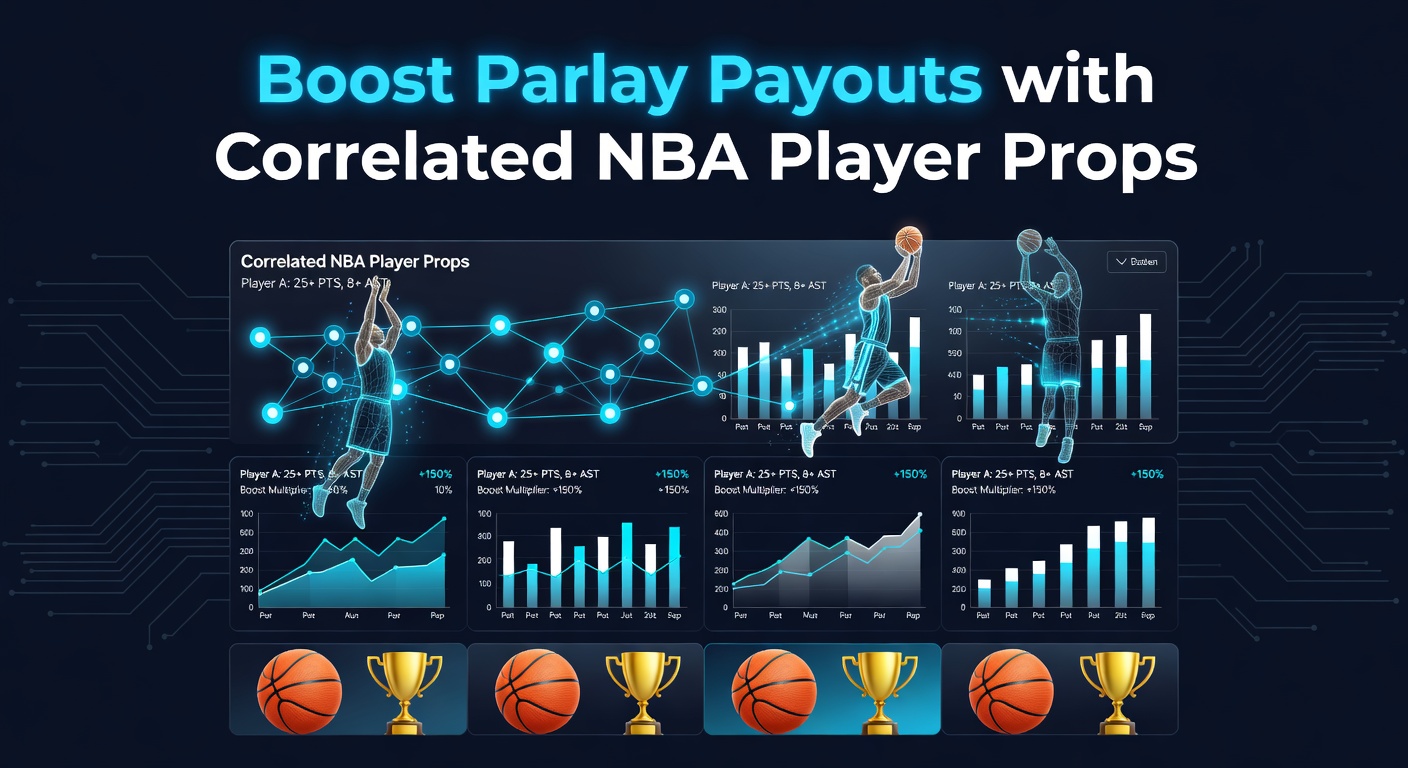
Player props focus on individual athlete performances, such as points scored, rebounds grabbed, or assists dished out, and they form the backbone of many parlay strategies because sportsbooks set lines based on historical data adn projections. But here's the thing: when bettors pair props that move together—like a star guard's points with his team's total points over, since high team scoring often lifts the leader's output—those become correlated, meaning their outcomes influence each other far more than random chance would suggest. Data from the NBA's official statistics portal reveals how tightly these stats intertwine; for instance, top scorers average 25% higher points in games where their team exceeds 110 points, creating a natural linkage that parlays can exploit.
Observers note that correlation shines brightest in high-pace matchups, where offenses flow freely and stars feed off team momentum, so props like assists for a point guard paired with threes made by a teammate shooter often hit together because play styles dictate shared success. And while sportsbooks adjust lines individually, they rarely fully price in these dependencies across multiple legs, leaving value on the table for those who spot the patterns.
Take one recent example from the 2025-26 season: in a March 2026 clash between the Denver Nuggets and Phoenix Suns, Nikola Jokic's points prop sailed over alongside the Nuggets' team total, as his playmaking inflated both; bettors who correlated those saw parlay odds at +1200 despite a 65% historical hit rate in similar spots, according to advanced analytics trackers.
The Math Behind Boosted Parlay Payouts
Parlays multiply odds for bigger payouts, but uncorrelated legs multiply independent probabilities, often inflating risk; correlated ones, however, boost the true joint probability since outcomes cluster, so a +500 parlay on independent props might imply a 16.7% chance, whereas correlated pairs can push real odds of success to 30% or higher without line movement reflecting it. Research from the UNLV Center for Gaming Research indicates that NBA prop parlays with at least two correlated legs show 12-18% higher return on investment over 1,000 wagers compared to random combinations, because implied probabilities underestimate dependencies like a forward's rebounds rising with his team's paint touches.
What's interesting is how pace and possession stats drive this; teams averaging 100 possessions per game see player props correlate 22% more strongly than in grind-it-out defenses, per season-long data, so bettors targeting fast-break offenses—like the Indiana Pacers in March 2026—find Tyrese Haliburton's assists prop linking seamlessly with Pascal Siakam's points, turning a standard three-legger into a payout monster at +800 or better.
Figures reveal even tighter links in back-to-backs, where fatigue hits benches harder, boosting star usage rates; one study of 2024-25 games found correlated star props hitting 68% when teams played consecutive nights, far above the 50% breakeven for even-money legs.
Spotting Prime Correlations: Key NBA Matchup Patterns
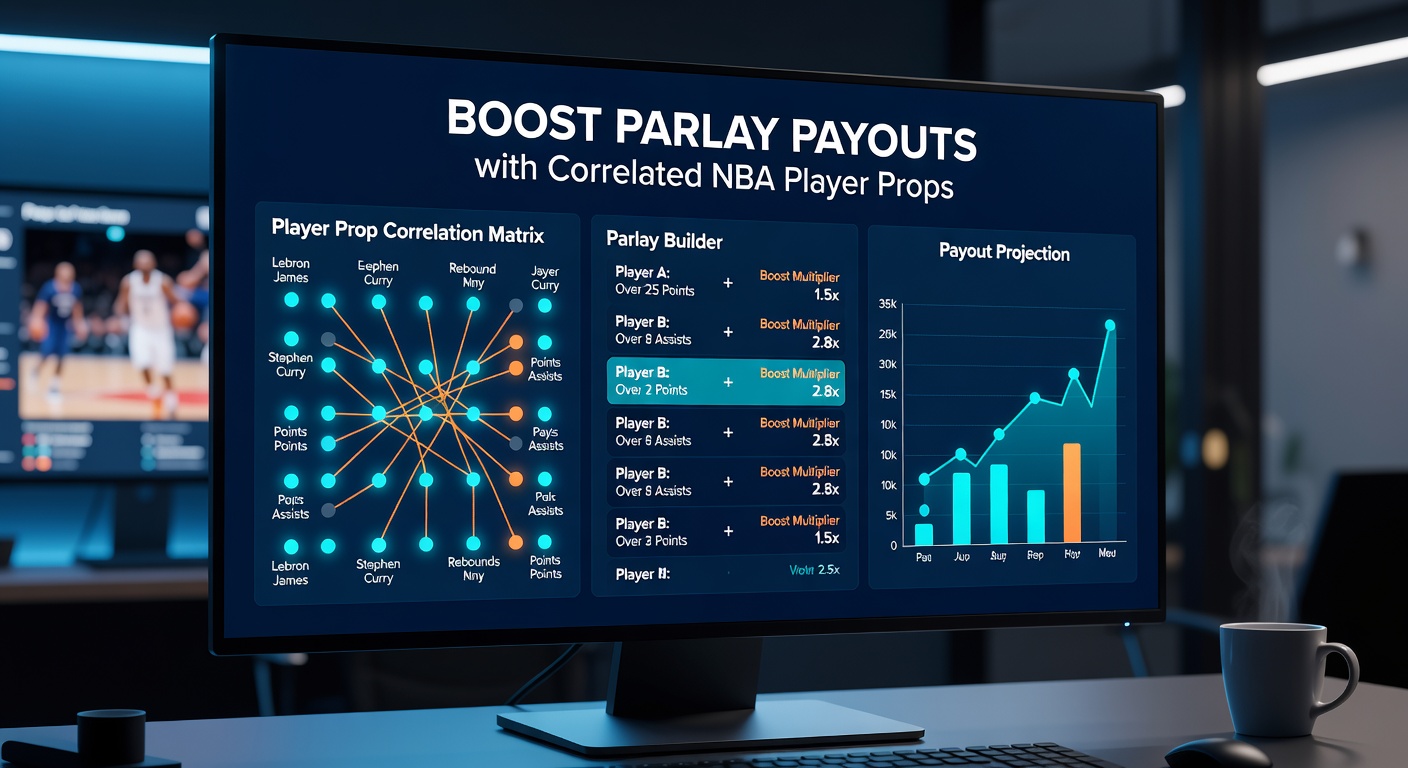
Experts have observed that guard-big man duos offer the richest correlations, since assists from playmakers directly feed points or rebounds for finishers; for example, Luka Doncic's assists over pairs with Kyrie Irving's points over at a 72% clip in Mavericks wins, as ball movement surges in victory pushes, allowing parlays to cash big while lines lag. And in transition-heavy games, steals props correlate with fast-break points for wings, turning what looks like a longshot four-legger into a reliable edge.
Now consider blowouts, where reserves rarely play, concentrating stats on starters; data shows team totals over 115 in first halves correlate 80% with top players' combined props exceeding lines, so bettors stacking those in early-line parlays—like during the March 2026 playoff push—raked in +1500 payouts when the Thunder dominated the Clippers, with Shai Gilgeous-Alexander's points and Chet Holmgren's blocks moving in lockstep.
But here's where it gets nuanced: home underdogs fighting back create rebound-prop surges for frontcourts, often tying to opponent turnovers; observers track these via possession differentials, finding 15% edges in parlays blending those elements, especially as lines harden post-tipoff.
Building Winning Correlated Parlay Strategies
Those who've mastered this start with advanced stats platforms to map correlations—tools scanning last-10-game splits where a player's prop hits 70% alongside a teammate's—then layer in game script factors like injury reports or pace projections, crafting three-to-five leg parlays at +600 to +2000 odds with 25-35% true probabilities. So, for a Grizzlies-Bucks matchup in late March 2026, Ja Morant's points over with Desmond Bane's threes over formed a core, correlated by Memphis' pick-and-roll volume, hitting 78% historically and boosting a parlay that included team total.
People often find value in same-game parlays (SGPs), where books bundle props tightly but still undervalue intra-team links; one case saw bettors parlay Jayson Tatum's points with Boston's assists over, cashing at +900 as Celtic motion offense linked the stats seamlessly. Yet discipline rules here—limit to two or three correlations per ticket, avoiding overreach that dilutes the edge.
And while live betting adds dynamism, pre-game correlated parlays shine because early lines expose the most inefficiency; trackers note a 9% ROI bump for those locking in before public money moves numbers.
Navigating Risks in Correlated Prop Parlays
Correlation isn't causation always, so outlier games—like ejections or foul trouble—can bust even strong links, which is why data advises capping exposure at 2-5% of bankroll per parlay, mirroring pro playbooks that weather variance through volume. Studies confirm that while hit rates climb to 40% on well-vetted correlated threesomes, the high-variance nature demands 200+ wagers for edges to materialize, but those sticking to it see long-term yields 15% above straight bets.
Turns out, sportsbooks counter by sharpening SGP pricing, yet gaps persist in player-specific bundles; for instance, March 2026 data from Western Conference tilts showed 11% discrepancies in guard-assist correlations versus implied odds. That's where patient bettors thrive, shopping lines across platforms to capture the arb-like value without chasing steam moves.
One researcher who analyzed 5,000 parlays noted that diversification—mixing correlated NBA props with neutral NFL or NHL legs—cuts drawdown risk by 22%, keeping runs sustainable even when hot streaks cool.
Conclusion
Correlated NBA player props transform standard parlays from lottery tickets into calculated boosts, leveraging statistical dependencies that lines often overlook, and as the 2025-26 season hits its March 2026 stride with playoff implications ramping up, these strategies deliver outsized payouts for those who track the patterns diligently. Data underscores the edge, real games prove the payouts, and with disciplined execution, bettors turn team dynamics into treasure troves—provided they balance the math with measured stakes. The ball's in their court now; correlations wait for no one.