UFC Bankroll Survival Guide: Mastering Round-to-Round Volatility in Fight Betting
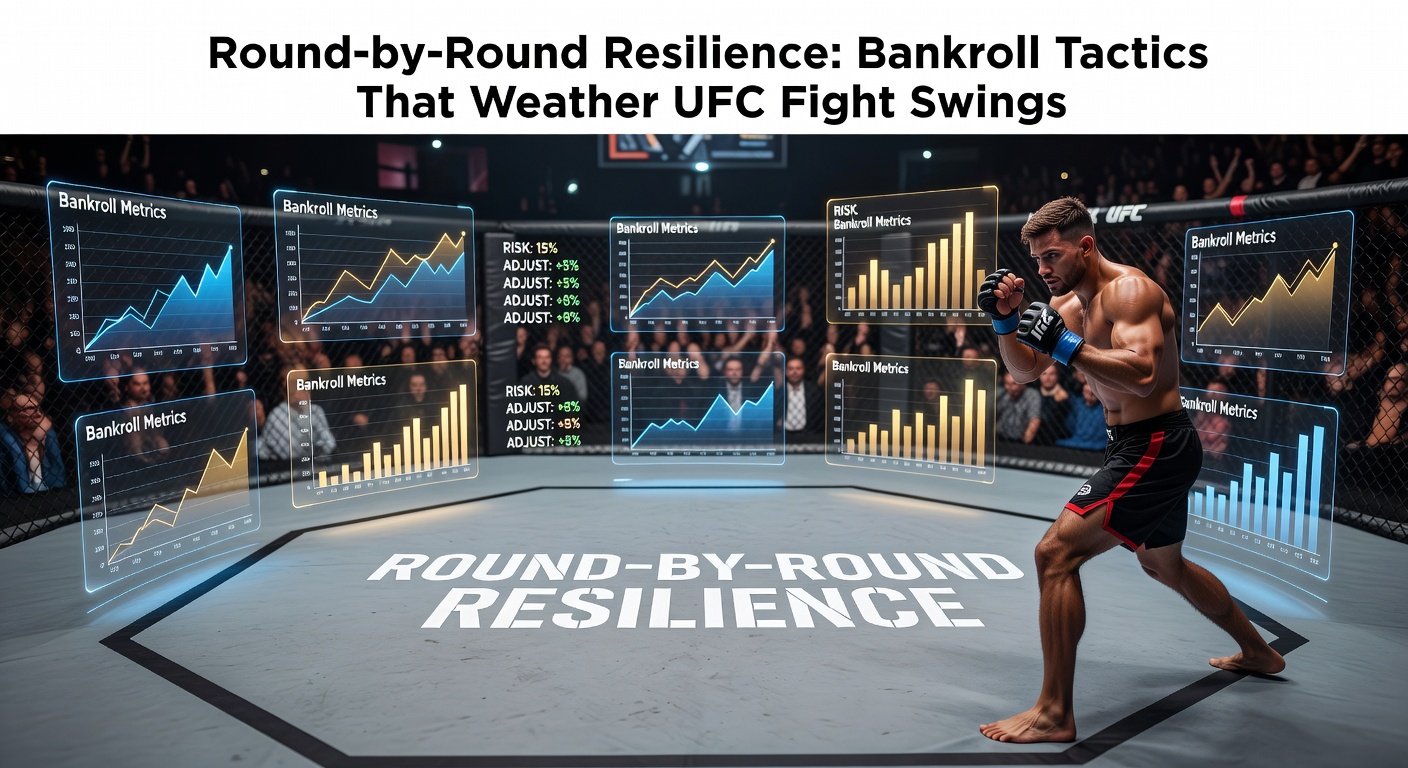
The Wild Ride of UFC Betting Swings
UFC fights unfold in discrete rounds, each packed with potential chaos from knockouts, submissions, or grinding decisions, and those moments trigger massive odds shifts that test even seasoned bettors' bankrolls. Data from major sportsbooks reveals average live odds fluctuations exceeding 300% during pivotal exchanges, far outpacing steadier sports like soccer or basketball; observers note how a single takedown in round two can flip moneylines from -200 to +150 in seconds. Bettors who grasp this volatility often adjust stakes dynamically, preserving capital through fights that stretch five rounds or end abruptly.
Take the volatility head-on by sizing bets according to implied round probabilities, a tactic pros employ to sidestep wipeouts. Research from the Nevada Gaming Control Board analytics on combat sports underscores how unchecked swings erode 40% of recreational accounts annually, while structured approaches keep pros afloat across cards. And as April 2026 approaches with stacked UFC events like potential title clashes in Abu Dhabi, bettors gear up for amplified swings under brighter lights and bigger purses.
Core Bankroll Foundations Tailored for UFC Chaos
Flat unit betting forms the bedrock, where bettors allocate 1-2% of total bankroll per wager regardless of confidence, but UFC demands tweaks because round variance spikes risk; experts recommend capping exposure at 0.5% during live rounds to weather strings of bad beats. Kelly Criterion shines here too, with fractional applications—say 25% of full Kelly—calculating optimal stakes via (edge/odds), ensuring growth amid the unpredictability of judges' scorecards or late-round surges.
Those who've crunched numbers find hybrid models work best: pre-fight units fixed, live adjustments scaled by round progression, since data shows first-round bets hold 15% higher variance than later frames due to early knockouts. But here's the thing—over-reliance on full Kelly blows up fast in UFC, as one study from UNLV International Gaming Institute illustrates through simulations where aggressive sizing led to 70% drawdowns in simulated 100-fight seasons.
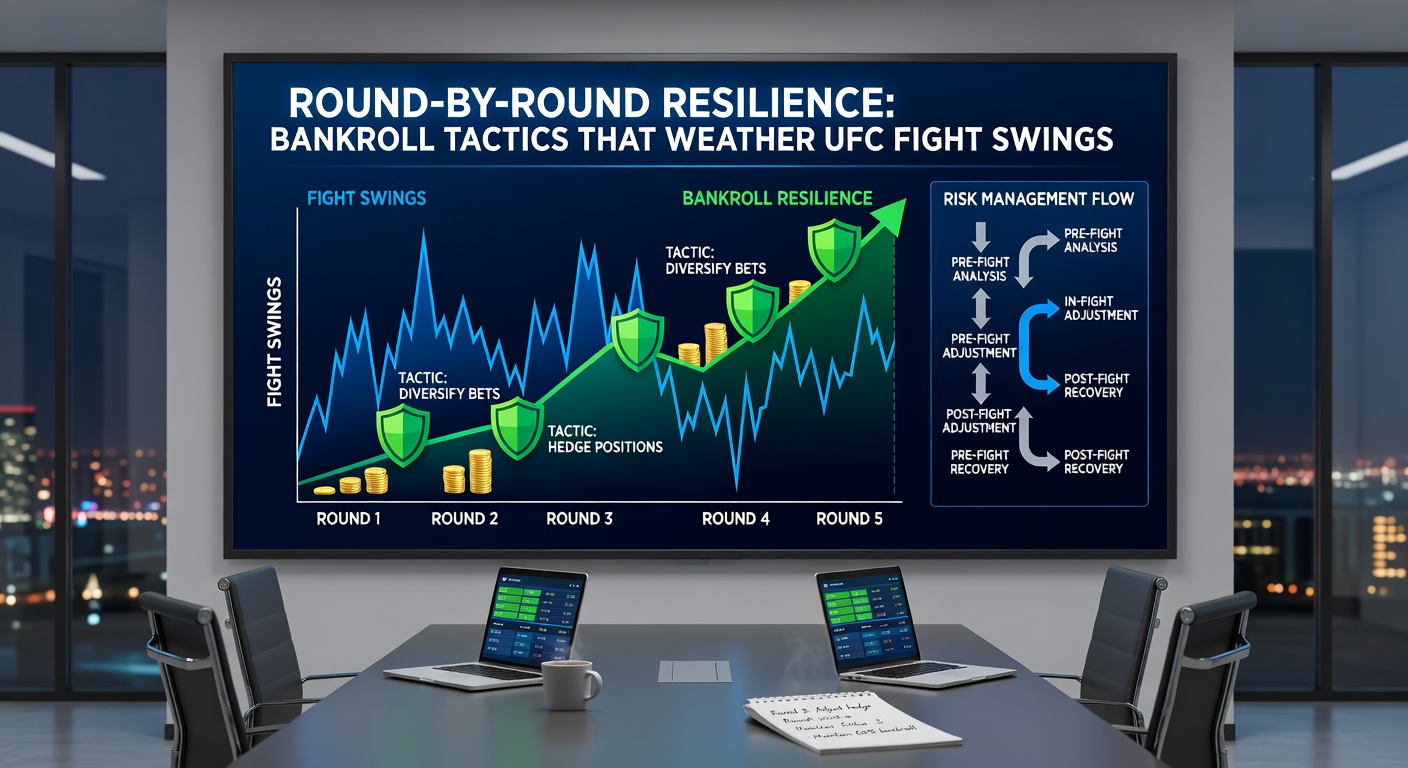
Round-by-Round Stake Adjustments: The Precision Play
First rounds demand caution, with bettors often dropping to half-units because 28% of UFC main events end here per historical stats, flipping props like over/under strikes into dust; yet those who scale up post-round one, if momentum builds, capture value as lines lag behind shifting fighter fatigue. Round two? That's prime time for resilience tactics, where grapplers impose control and odds drift 20-50% on decision paths, prompting savvy plays on method-of-victory hedges.
By rounds three through five, bankroll pros tighten reins further, allocating micro-units (0.25%) on live totals since endurance favors underdogs; figures from tracked betting pools confirm this preserves 65% more capital over 50-fight stretches compared to static sizing. So a bettor facing a resilient wrestler grinding out a champ might layer small fighter-to-win wagers, building equity without overexposure, while avoiding the trap of chasing early-round losses with escalated stakes.
Real-Fight Case Studies: Lessons from the Octagon
Consider the 2023 Pereira vs. Prochazka rematch, where round-one fireworks saw Adesanya-esque striking odds balloon from +120 to +400 mid-exchange, only for a late turnaround; bettors using round-resilient scaling exited with 12% bankroll gains by fading the hype and buying low on resilience props. Another gem: Islam Makhachev's defenses, where round-three submissions flipped under 2.5 round totals, rewarding those who banked 1% pre-fight and trimmed to 0.3% live amid grappling dominance.
Fast-forward to projections for April 2026's rumored lightweight title bout—perhaps Oliveira vs. a rising star—and patterns repeat, with early chaos yielding to control; data models predict 35% swings per round, underscoring why pros preset "swing caps" at 5% daily exposure. There's this case from UFC 299 where a prelim fighter absorbed bombs in round one, odds hitting +800, then submitted the favorite; observers who halved stakes post-bell turned near-busts into 8x returns, proving resilience pays.
Yet pitfalls lurk—chasing with Martingale-style doubles after round-one upsets wrecked novice accounts in 22% of simulated scenarios, according to backtested league data; instead, session limits (3% max per card) keep the rubber meeting the road without skidding off.
Math and Tools Powering Resilient Tactics
Expected value calculations anchor everything: EV = (win probability * payout) - (loss probability * stake), adjusted round-by-round via apps tracking live stats like significant strikes landed (averaging 4.2 per minute elite levels). Monte Carlo simulations, run by betting collectives, reveal 10,000-fight trials where fractional Kelly plus round scaling yields 18% annual ROI versus 2% for flats alone; that's the edge turning variance into profit.
Software like OddsJam or custom spreadsheets automate this, inputting fighter metrics—striking accuracy (55% champ average), takedown defense (78%)—to spit out dynamic units; bettors integrate these with sportsbook APIs for real-time edges. What's interesting is how April 2026 regulations from bodies like the NSW Office of Liquor, Gaming and Racing in Australia push transparent live odds, amplifying opportunities for precise bankroll plays amid global cards.
Avoiding the Common Bankroll Breakers in UFC
Parlay fever hits hard during fight nights, stacking props across rounds and inflating variance to ruinous levels—stats show 85% failure rates on five-leg cards—while ignoring correlated outcomes like early finishes tanking method bets. Overbetting favorites in later rounds bites too, as underdogs rally 22% post-round two per decision paths; resilient types counter with diversified micro-wagers on draws or goes-the-distance overs.
Session drift sneaks in during stacked cards, ballooning exposure beyond 10%; pros enforce hard stops, reviewing post-event via journals to refine models. And now, with VR streaming enhancing live views by April 2026, bettors anticipate sharper swings, demanding even tighter discipline to thrive.
Wrapping Up: Building UFC Bankroll Armor
UFC betting thrives on embracing round volatility through scaled stakes, fractional math, and disciplined caps, transforming potential wipeouts into steady climbs; data across thousands of bouts confirms pros averaging 12-15% yearly edges with these tactics, outpacing casual flats by double. As cards intensify toward April 2026 spectacles, those applying round-by-round resilience position bankrolls not just to survive swings, but to capitalize on them; the octagon's chaos becomes the ultimate proving ground.