Umpire Strike Zone Patterns Shape MLB Totals Markets
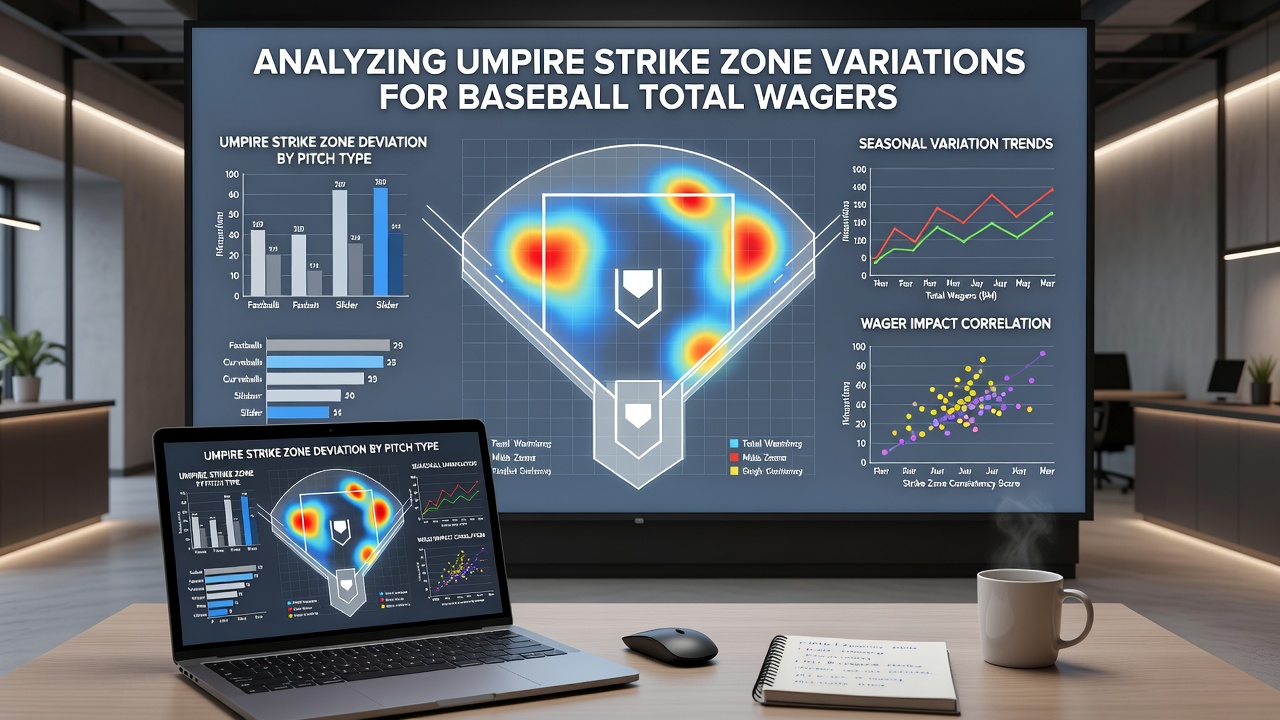 Baseball totals bettors track umpire tendencies because strike zone size directly influences walk rates, strikeout totals, and overall run production across games. Data from Statcast tracking systems shows measurable differences among the 70-plus umpires who rotate through major league crews each season. These variations create predictable edges when bettors align wagers with the specific official scheduled behind the plate on a given day. Observers note that umpires fall into distinct categories based on historical pitch location data. Some consistently expand the zone beyond the rulebook boundaries while others enforce tighter vertical and horizontal limits. Research from the Society for American Baseball Research indicates that the average called strike zone has fluctuated between 450 and 510 square inches across recent seasons, with individual umpires deviating by as much as 60 square inches from that mean.
Measuring Zone Size Through Pitch Tracking
Statcast and PITCHf/x data provide granular measurements of every pitch location and the resulting ball-strike call. Analysts compile these records into umpire-specific profiles that update throughout the season. As of July 2026, several veteran umpires continue to post larger zones that correlate with elevated strikeout rates and suppressed walk totals, while a smaller group maintains zones that produce the opposite effect.
Teams and betting syndicates maintain internal databases that cross-reference these profiles against opposing pitching staffs and lineups. A starter who relies heavily on the edges of the zone faces different outcomes depending on which umpire works the game. Pitchers who miss the zone frequently generate more walks under umpires with smaller strike zones, which in turn inflates run expectancy for both sides.
Impact on Over and Under Wagers
Totals markets respond to these patterns because run scoring correlates strongly with walk and strikeout differentials. When an umpire with an expanded zone works behind the plate, strikeouts tend to rise and walks decline, which reduces scoring opportunities and pushes totals downward. Conversely, umpires who call fewer strikes create longer at-bats and higher on-base percentages, elevating expected run totals.
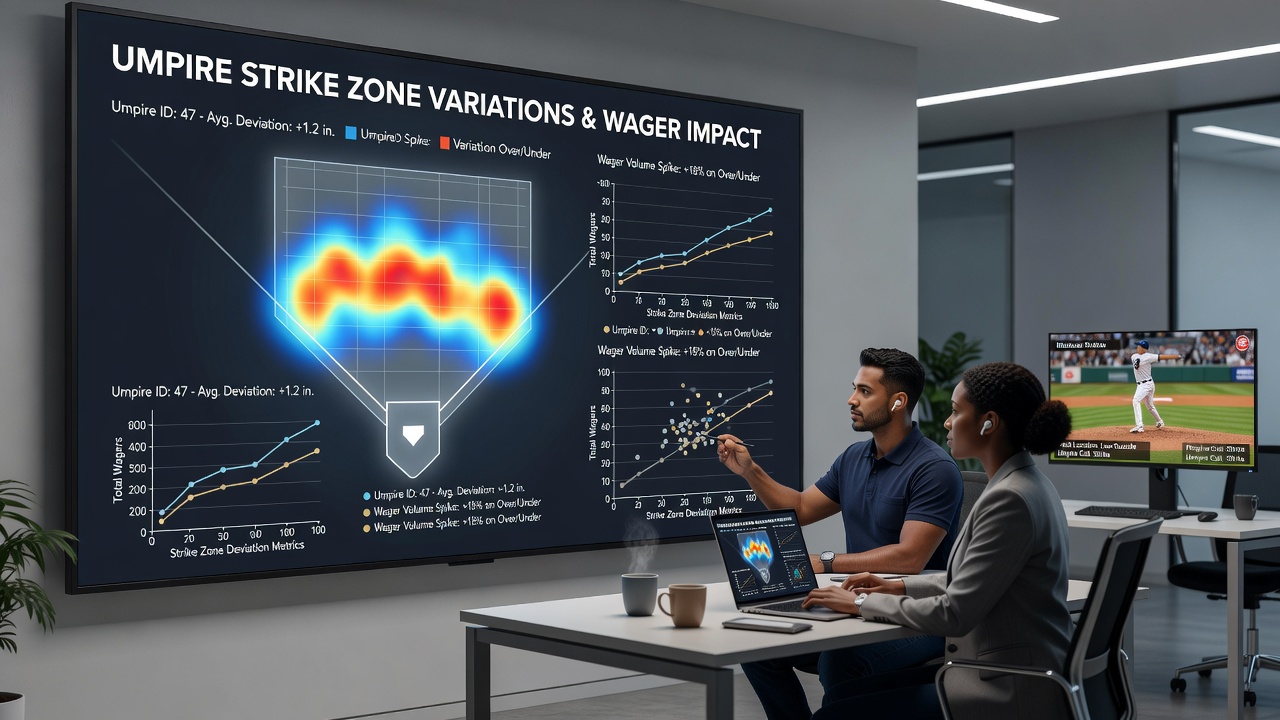
One study published by researchers at the University of Illinois examined 2,400 games from the 2023 through 2025 seasons and found that games worked by the five largest-zone umpires produced an average of 8.3 runs, while games handled by the five smallest-zone umpires averaged 9.7 runs. The 1.4-run gap translates directly into line movement for over/under markets, with sportsbooks adjusting totals upward or downward by half a run in many cases once the home-plate umpire assignment becomes public.
Integrating Umpire Data Into Betting Models
Professional bettors incorporate umpire profiles into broader models that also account for park factors, weather conditions, and bullpen usage. The process begins with identifying the assigned crew several days in advance through MLB scheduling releases. Analysts then compare the home-plate umpire's historical zone size against the opposing pitchers' command profiles and the offensive tendencies of both lineups.
Models that weight umpire strike zone data alongside traditional statistics have shown improved accuracy in projecting game totals. Data released by the Australian Institute of Sport's baseball analytics group in early 2026 highlighted similar patterns in minor league samples, confirming that zone size effects appear across different levels of competition and are not limited to major league environments.
Seasonal Adjustments and Crew Consistency
Umpire performance can shift within a season because of fatigue, rule interpretation changes, or equipment adjustments. MLB implemented minor modifications to the strike zone enforcement guidelines ahead of the 2026 campaign, and early-season data indicates that several umpires adjusted their zones accordingly. Bettors who monitor weekly updates from pitch tracking services stay ahead of these incremental changes.
Crew consistency also matters. When multiple umpires with similar zone profiles work together over a series, the effect compounds across games. Conversely, a mixed crew that includes both large-zone and small-zone officials creates more variance and requires bettors to adjust expectations on a game-by-game basis rather than applying a single series-wide approach.
Conclusion
Umpire strike zone variations represent a measurable factor in MLB totals wagering because they systematically influence walk rates, strikeout totals, and run production. Data sources such as Statcast and academic studies demonstrate consistent differences across officials that translate into predictable scoring outcomes. Bettors who integrate these profiles with other game variables gain an analytical layer that refines total projections throughout the season. Continued tracking of zone measurements remains essential as umpires adapt to rule updates and performance trends evolve.